
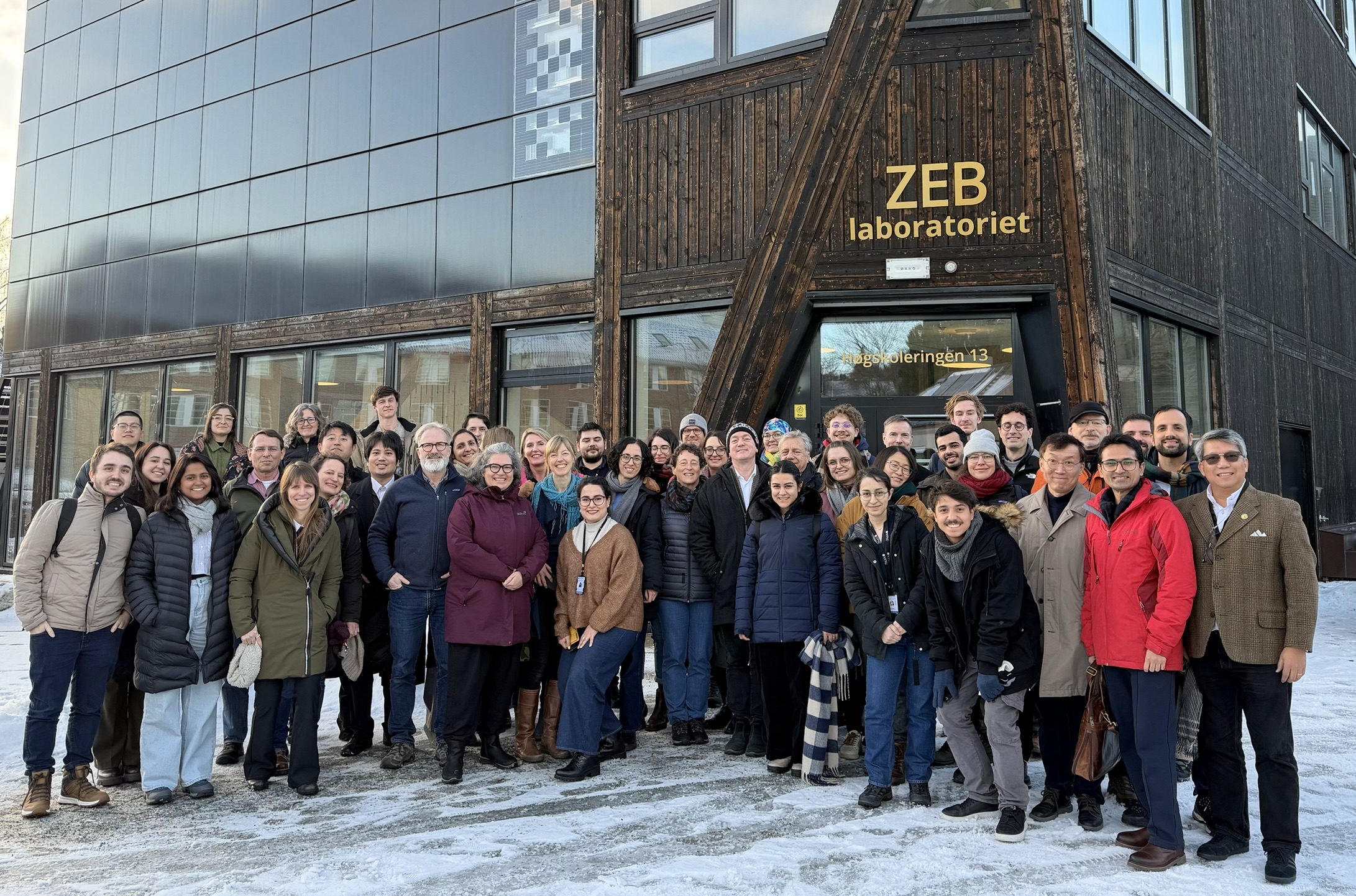
On 27 and 28 November, researcher Igor Catão, a member of CURA Lab, participated in the IEA EBC Annex 89 meeting, which brought together experts from more than 20 countries to discuss concrete ways to accelerate the adoption of net-zero GHG buildings throughout their life cycle. Discussions about different methodologies, national contexts, and perspectives converge around a common goal: transforming the construction sector to address the climate crisis with seriousness and ambition. This is one of the pillars of urban resilience and aligns with CURA Lab’s principles and values.
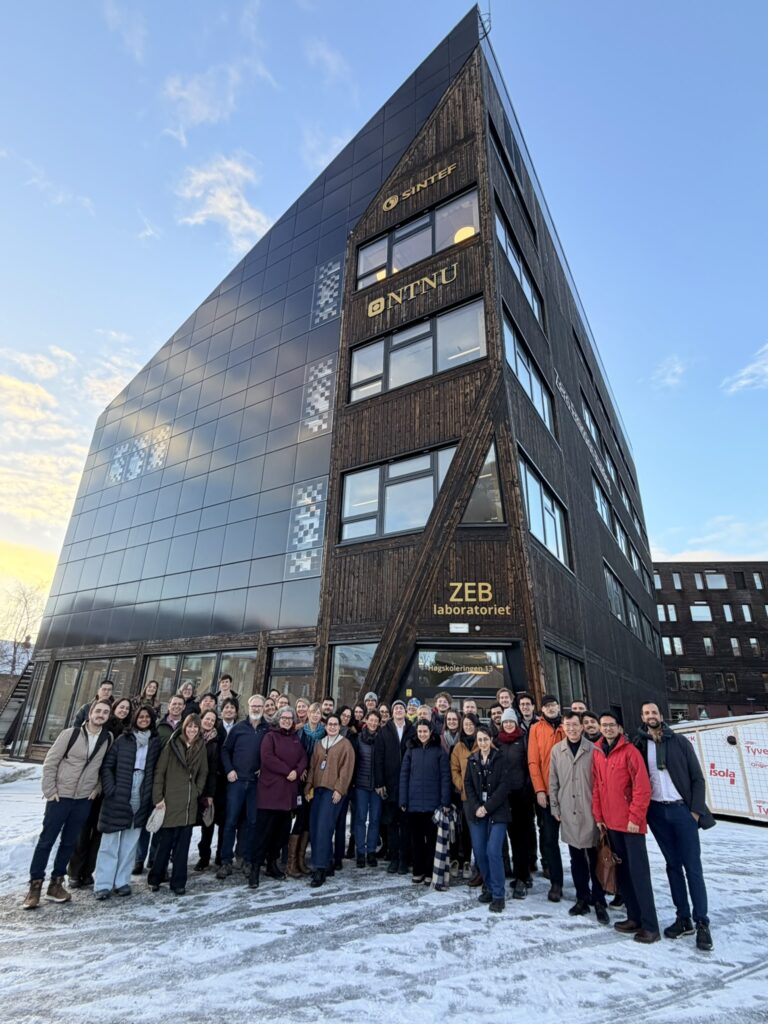
Credits to the photo: Greg Foliente on behalf of IEA EBC Annex 89.
Discussions on Whole Building Life Cycle Assessment (WBLCA) methods, terminology, local data, instruments, and public policies reinforced something we deeply believe: international collaboration and applied science are fundamental to advancing urban resilience.
Igor Catão would like to thank his colleagues who organised and conducted the meeting: Freja Nygaard Rasmussen, Alexander Passer, Greg Foliente, Thomas Lützkendorf, and all the other experts present. It is inspiring to see so many people committed to the same purpose.
To learn more about the work of Annex 89:
👉 https://annex89.iea-ebc.org/
👉 https://www.linkedin.com/groups/7481268/
Norges teknisk-naturvitenskapelige universitet (NTNU)
#IEA #Annex89 #Sustainability #WholeLifeCarbon #NetZero #Collaboration #Innovation
IEA EBC || Annex 89 || Ways to Implement Net-zero Whole Life Carbon Buildings || IEA EBC || Annex 89